In the insurance world, flood coverage is often treated like a seasonal retail product—something to push when the tropical outlook gets busy or the spring thaw begins. However, data from 2025 and 2026 suggest taking a more proactive approach. The most successful agents don't wait for a storm on the radar; they treat flood coverage as a year-round financial essential.
This blog is the third installment of our Flood Insurance Success Stories series, where we share continued insights from three of our top-performing agents for Flood—Chance Hazeltine (Sarasota, FL), Jordan Altenhof (Rockledge, FL), and Matthew Brooks (Biloxi, MS). They all agree: the "off-season" for flood is a costly myth.
The Emerging Reality of Weather Whiplash
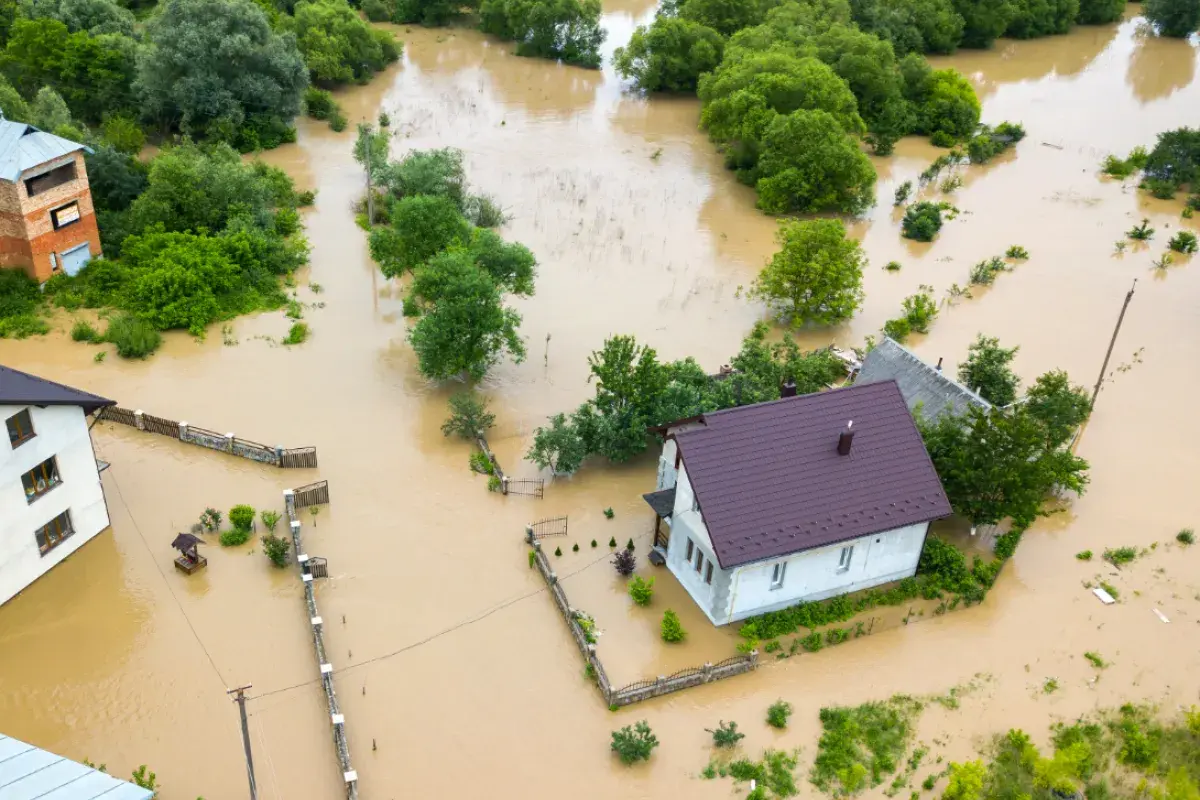
The traditional flood season is being replaced by a phenomenon experts call Weather Whiplash. In 2025, we saw this play out in extreme ways across the U.S., proving that risk is no longer tied to the calendar. In July 2025, the Texas Hill Country experienced one of the deadliest inland flash floods in history despite being in a severe, multi-year drought. When 12 inches of rain fell in just 12 hours, the parched, concrete-like soil couldn't absorb a drop, turning dry land into a disaster zone in minutes. Just this past February 2026, catastrophic flash flooding hammered areas like Southwest Virginia and the Mississippi River Valley—not due to a hurricane, but due to severe winter convective storms. If you only quote in the summer, you’re missing the winter snowmelts and the spring atmospheric rivers that are now causing record-level damages in "safe" months.
The Constant Threat of Infrastructure Failure
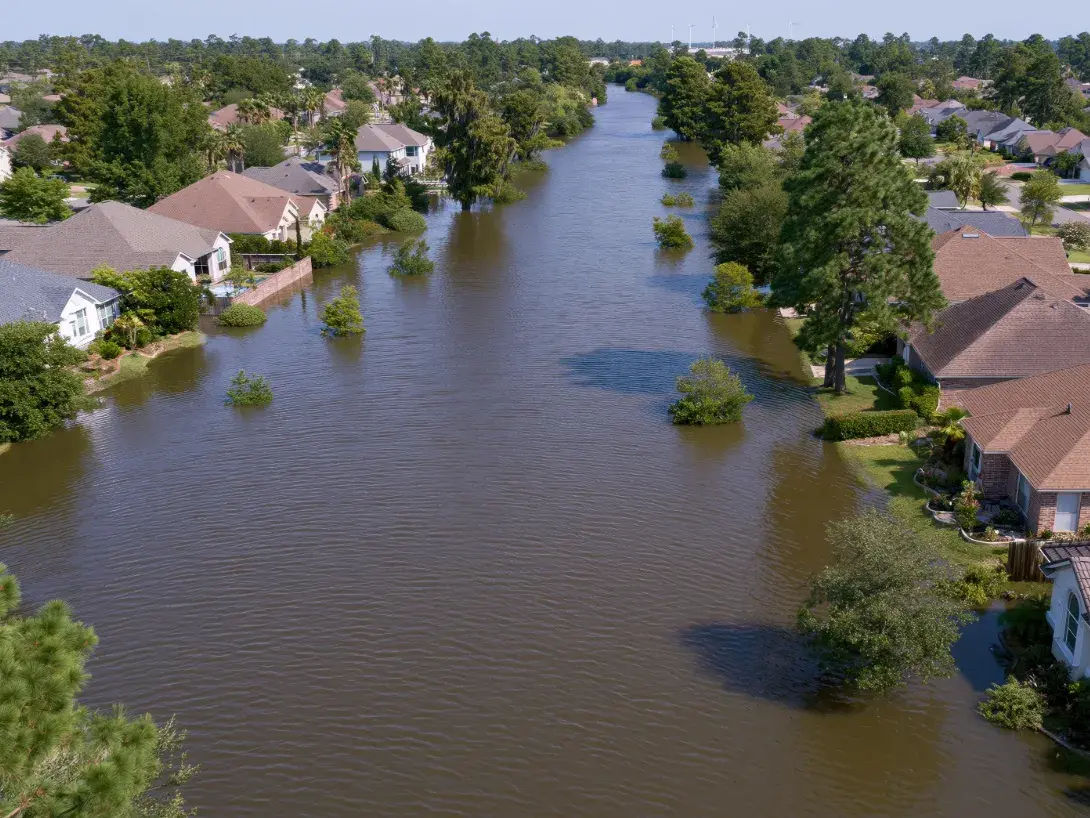
Chance Hazeltine notes one of the most compelling reasons to quote year-round is that flooding is increasingly caused by human-made failures, not just nature. The average U.S. dam is now 64 years old, and in 2025 alone, there were nearly 4,000 flash flood emergency warnings issued across the country. Many of these occurred during non-catastrophic storms where aging drainage systems simply reached their limit and failed. This is the hidden risk of urban development known as pluvial flooding. As we replace soil with asphalt, every month of the year carries the risk of surface-water flooding, regardless of whether a major storm is named.
Strategic Windows for the Second Look
Our top agents have mastered the art of the follow-up. They know that timing the conversation is just as important as the quote itself. Jordan Altenhof strategically observes that new homeowners are often cash-poor immediately after a move, so instead of giving up if they pass at closing, reach back out 60 to 90 days later once their bank account has stabilized and the premium feels manageable. Additionally, advise clients in new developments to carry flood insurance for the first three years. It takes several full cycles of seasons to see how the neighborhood’s specific topography and new drainage systems handle real-world rain.
The Decisive Advantage of Shorter Waiting Periods
In Biloxi, MS, Matthew Brooks has witnessed his share of threatening water events that can occur with little to no warning. Perhaps the strongest case for quoting year-round is the waiting period gap, Matthew observes. While the National Flood Insurance Program (NFIP) typically mandates a 30-day waiting period, this month-long gap creates a significant window of vulnerability. For an agent, this extended timeline often provides far too much opportunity for a client to second-guess the necessity of the policy or talk themselves out of the protection they need. Private flood options through Orion180 offer a much more responsive alternative with a waiting period of 10 days or less for activation, which supports robust year-round quoting and binding.
Leading with Sophisticated Underwriting Year-Round
Don't let a calendar dictate your clients’ financial safety. Because Orion180 utilizes rooftop-level geocoding in the background of every quote, you can provide your clients with a rate that reflects the real-time terrain and elevation of their specific property, rather than a broad seasonal guess. This level of precision allows you to lead with facts and offer a better, more accurate solution any day of the year.
Log into the MY180 portal today to run a precision quote and show your clients why there is never a wrong time to protect their greatest asset.